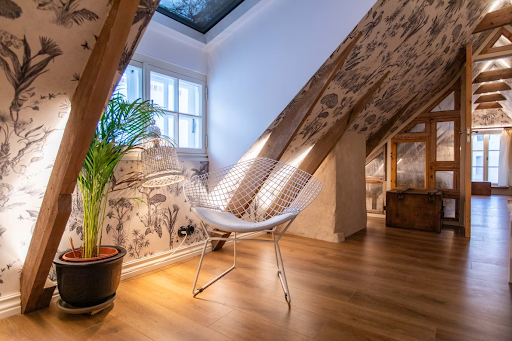
Heritage homes possess an undeniable charm that draws Australian homeowners seeking character and history. These architectural treasures offer unique features like ornate cornices, original timber floors, and period windows that modern builds simply cannot replicate. However, renovating a heritage property presents distinct challenges – how do you preserve its authentic character while creating a functional home for contemporary living?
The answer is found in careful planning and integration. The successful blend of old and new components yields a residence that celebrates the house’s heritage and greets the future.
Maintaining Original Characteristics
Begin by auditing your existing architectural elements. The original hardwood flooring, ornate plaster work, and original windows represent irreplaceable architectural details that determine the character of your house. These types of elements may need restoration work.
For wood flooring, professional sanding and restoration may revitalise wood that is several centuries old. Similarly, existing windows may be retrofitted with modern draught-stopping that retains the original look while providing improved energy efficiency. In assessment work relating to cornices and ceiling roses, it may be helpful to work with heritage experts.
Document everything before starting your project. Photos and measurements of the original architectural details of your house will help inform your remodelling choices.
Incorporating Modern Facilities
Today’s comforts do not necessarily have to detract from an aesthetic of heritage. The trick here is finding complementary design elements that work alongside existing details. In the kitchen, it may be helpful to design custom cabinetry that pays homage to original craftsmanship while also reflecting functionality of modern design. An industrial kitchen also finds the line between old and new in many homes.
Smart home integration can also be accomplished effortlessly. Wiring should be carried out via existing cavities whenever possible. Fixtures should also be used that blend in with the age of the property. For example, brass or bronze designs tend to work better than plain chrome or stainless steel.
Bathrooms in old homes need to have specialised attention to managing moisture. Modern ventilation should be integrated unobtrusively, and bathroom fixtures should incorporate both period and modern functionality.
Balancing Styles Through Design
Effective heritage restoration connects old and new in dialogue rather than contrast. Think carefully about your colours: Heritage colors that have a high depth value often work very well alongside such architectural designs. Neutrals may offer an elegant setting that supports both antiques and modern items.
Furniture choices also have an important role to play in such a balance. Intersperse high-quality antiques with modern furniture that has similar scales or textures. For example, a modern sofa made of velvet can look good alongside antiques.
Lighting tends to require special attention. Care should be taken to layer lighting that emphasises architectural details without sacrificing adequate lighting levels for functionality. Classic chandeliers can coexist successfully with strategically hidden modern downlights.
Working with Specialists
Renovations of heritage buildings greatly appreciate professional knowledge. Kitchen design specialists who work on heritage buildings have the knowledge on how to develop solutions that work within architectural limitations but within the modern functionality framework.
These experts can create designs for storage solutions that incorporate irregular wall thicknesses and design details of the joinery that reflect original work. They also possess knowledge of relevant regulations particular to listed buildings.
Unlocking Your Home’s Story
Renovating a heritage home involves creating a sense of continuity and integration of the old and the new. Through such processes as preserving the original details of the house and marrying them with new details that add value to the home without compromising nature’s original design.
Don’t ever forget that it’s not a museum piece that you’re working towards, but rather a living home that celebrates both the heritage and your own family’s story. By careful design and attention to original craftsmanship, your heritage home can become the ultimate fusion of old world charm and new world comfort!
Read Our Other Blog: Ev Charging In Smart City Development