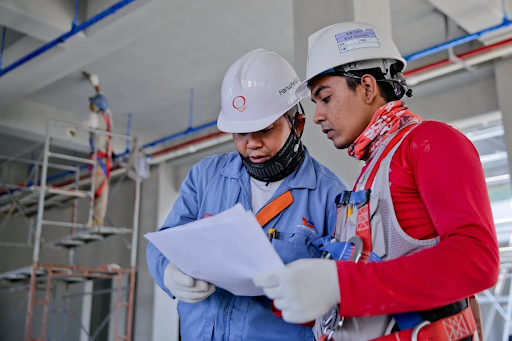
Safety training in Australia often gets pegged as just a tick-the-box legal chore, something as thrilling as watching paint dry. But hold on. This article is here to flip the script and reveal safety training as the secret for not only dodging workplace mishaps but also turbocharging operational efficiency and employee happiness.
Exploring the Current Landscape
Workplace safety is the foundation of all industries, especially in high-risk areas like construction. Even with tech advancements and tighter safety rules, accidents still happen, causing injuries, lost productivity, and hefty bills. In 2019-2020, over 114,000 serious worker’s comp claims were reported to Safe Work Australia. It’s clear: effective safety measures aren’t just a good idea—they’re essential.
The Myth of Ineffectiveness
There is a prevailing belief that safety training is futile, often attributed to obsolete training methods. Conventional practices, marked by protracted, tedious presentations and nonspecific content, fail to captivate employees or confront the particular risks germane to their roles. This leads to a deficient retention and execution of safety protocols, thereby perpetuating the theory that safety training seldom reaps tangible benefits.
Redefining Safety Training: Comprehensive and Innovative Approaches
To overcome these hurdles, we must revolutionise safety training to be comprehensive and innovative. Here are a few strategies that can drastically augment its efficacy:
Personalised Content: A one-size-fits-all approach seldom works for safety training. Content customised to address the idiosyncratic risks and situations pertinent to a specific workplace or job role increases engagement and applicability.
Interactive Learning: Methods such as simulations, virtual reality (VR), and practical sessions can metamorphose safety training from a passive to an active experience. VR simulations, for instance, immerse employees in lifelike scenarios, thereby allowing them to rehearse responses to potential hazards in a controlled setup.
Safety-First Culture: Rather than being a sporadic event, safety training should be an incessant process. Regular refreshers, on-site training, and continuous feedback loops ensure safety principles are ingrained in the company culture.
Evaluation: Measuring the effects of safety training through Key Performance Indicators (KPIs), such as a decrease in accident rates and employee feedback, is instrumental. This data-driven approach empowers organisations to fine-tune their strategies and allocate resources effectively.
The Umbrella of Benefits
The benefits of effective safety training extend far beyond accident prevention. Enhanced morale, improved productivity, and reduced absenteeism are the corollaries of a secure working environment. In addition, organisations that invest in detailed safety training can earn a competitive edge by nurturing a culture of safety and operational excellence. With construction safety software such as SignOnSite, it hasn’t ever been easier either.
Wrapping Up
Safety training in Australia can stand as a powerful tool for preventing workplace mishaps as well as enhancing operations and employee health when approached innovatively and exhaustively. By challenging the conventional perception of safety training as a mere obligation and deploying interactive, customised, and continuous learning methods, organisations can construct safer, more productive workspaces. The onus lies with safety and construction managers to lead this transformation, ensuring that safety training is seen not merely as a regulatory prerequisite but as a strategic resource.